 Mozambique confirmed last month the discovery of diamonds in the Massangena district of the Gaza province.
The country had been working, with the help of Angola, towards the certification of its diamond mining by the Kimberley Process.
The certification would allow Mozambique export its diamonds.
A committee from the diamond watchdog visited the southern African country last month to review progress in meeting its requirements.
More than 30 companies were licenced to explore for diamonds in the country not only in the Massangena district, but also in the in Niassa Province.
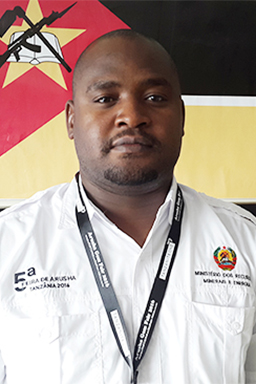
Rough & Polished’s Mathew Nyaungwa spoke to a Mozambican mines official Ordelio Desousa on the prospects of diamond mining in the country among other issues and below are the excerpts of the interview.
What is the state of diamond mining in Mozambique?
First we have many requests for diamond mining licences in the Massangena district of the Gaza region and some companies have since found diamonds, but alluvial and they want to export their diamonds. However, we are yet to be certified by the Kimberlite Process. Other companies will declare the amount of diamonds that they have found after the certification by the Kimberlite Process.
How many companies are currently exploring for diamonds in Mozambique?
In the southern region it’s between 10 and 17 companies, while in the northern zone in Niassa Province, it’s around 17 as well.
What sort of indications have they given to the government regarding their findings so far?
In the southern zone, they have found diamonds of good quality. Personally I have seen some of the diamonds found in this region and in the northern area they found kimberlites, but they didn’t prove if they were [economical to mine].
Are you hopeful of being certified by the Kimberley Process?
We are working on it and we have already sent proposals to KP… a committee from the KP [came to Mozambique in July] to review the country’s progress in meeting its requirements.
What are you doing to ensure the country gets the KP certification?
The government has set up a supervising agency, came up with a decree which regulates diamonds, as well established the Kimberley Process Management Unit. We are also receiving training on the diamond pipeline, personally I was in Belgium with my colleagues where we received training. Soon we will go to Angola and Namibia to learn how to deal with diamonds for example on security issues, etcetera.
Have you recorded incidences of illegal diamond mining in the country?
No! No! So far no!
But there were reports of diamonds from Zimbabwe being sold as Mozambique diamonds some few years ago, can you confirm this?
You know in Mozambique there are illegal markets; I don’t know how they smuggle the gems from other countries. So we want every diamond mined in the country to be declared so the government can create a trade centre and anyone who wants to buy and sell must do so through the centre.
What is your resource estimate of diamonds in Mozambique?
For security reasons, we cannot declare the diamond resource estimate, because everyone wants diamonds. Even the companies exploring for diamonds in the country are not declaring any figures to the public, rather they are only sending the figures to the government.
Are the companies exploring for diamonds junior or large entities?
They are big companies.
Can you name some of the companies?
The information is confidential at the moment.
Let’s talk about ruby mining in the country. I understand there had been reports of illegal ruby mining. What is the government doing to stop this?
It’s very difficult because of corruption and even the police are easily corrupted, but the government is studying the best way to stop this illegal mining.
What was your annual ruby output in 2015?
I don’t have the production figures with me at the moment.
Where do you export your ruby?
The main market is Thailand but other countries like Singapore and Belgium are buying our ruby. However, we don’t have the database to establish the amount gemstones taken out of the country. The only company that declares its exports is Montepuez (75-percent-owned by Gemfields) and we expect other companies to do the same.
Which other gemstones do you have in Mozambique for commercial production?
We have beryllium, corundum, aquamarine, tourmaline, emeralds, garnets; in fact, we [have many] in terms of coloured stones, we have almost all of them.
Mozambique had been witnessing a resurgence of rebel activities. Does this not affect your ruby exports as some buyers might think they are emanating from ‘conflict zones’?
That’s a big problem, because some say ruby from Mozambique has a story, but that’s not true because they know very little how the gems from Mozambique are mined.
Mathew Nyaungwa, Editor in Chief of the African Bureau, Rough&Polished
