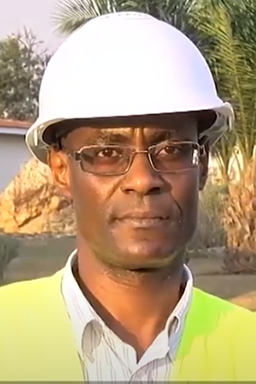
 Advanced information, by the coordinator of Endiama’s Lunhinga Project Management Committee, Adérito Gaspar, points to a drop in production due to the pandemic, but with good prospects in view of the potential of the kimberlites of Camatchia, in production, and of Camagico, both located in the province of Lunda-Norte, in the East of Angola.
How do you see the future of the Angolan diamond industry facing COVID-19?
Our production is being stocked at its destination point, which is SODIAM [Diamond Trading Company of Angola], in order to identify customers who are buyers of these productions and then relieve the projects that are still in production.
What is the impact of the pandemic on the operations of the Lunhinga project?
In operational terms, we maintained the main operation, which is mining, although we had trouble in terms of logistics and staff mobility due to the restrictions imposed by the pandemic. The biggest constraint on the project is the financial one: the world diamond markets have been severely affected. With no customers to buy the production, the project finds itself with cash flow difficulties. However, we believe in better days.
What measures have been taken to prevent the new coronavirus?
The project implemented measures in advance. The first measure was the confinement of staff. We are working on a rotation basis and have a number of employees and collaborators who maintain essential services.
Are the jobs guaranteed?
Reducing staff is not on our agenda. We stand out for the protection of employment and the economic condition of families.
How large is the staff at Lunhinga?
The Lunhinga Project has 358 workers, most of whom come from the old Luô Project. We do some recruitment for some specific areas.
Dias Francisco, correspondent of Rough&Polished in Angola
