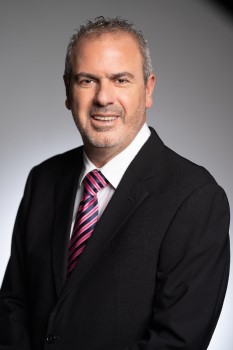
 The natural diamond industry is navigating a period of significant transition, but there are increasing signs that the foundations for a stronger and more positive future are being built, according to the World Federation of Diamond Bourses (WFDB) president Yoram Dvash.
In an interview with Rough&Polished's Mathew Nyaungwa, Dvash addressed the growing involvement of African producer countries such as Botswana and Angola, describing their leadership as “one of the most important developments our industry has seen in recent years.”
He also discussed Qatar's plans to establish a diamond exchange, the integration of Tracr and GIA as a step forward in transparency, and the urgent need for sustained category marketing to rebuild consumer demand.
Dvash expressed cautious optimism, citing unprecedented cooperation across the industry, stronger producer-country leadership, and growing investment in marketing and consumer education.
He said that at the upcoming WFDB board meeting in Singapore, he intends to raise the importance of consistent terminology, proposing that member exchanges consider using the term “synthetic diamonds” in place of “lab-grown diamonds.”
Dvash said the single most important factor will be unity of the industry.
Turning to the future ownership of De Beers, he acknowledged that increased producer-country participation could further strengthen alignment across the value chain, as producing countries have a direct interest in protecting the long-term value of natural diamonds.
Regardless of the ownership structure, Dvash stressed that the industry's priorities remain clear: maintaining consumer confidence, strengthening transparency, investing in demand creation, and fostering closer collaboration across the entire diamond pipeline.
Below are his full responses.
What is your assessment of the current state of the natural diamond industry, and what are the most significant challenges it faces today?
The natural diamond industry is navigating a period of significant transition. We continue to face economic uncertainty, evolving consumer behaviour, geopolitical developments and increasing competition from lab-grown diamonds.
At the same time, we are seeing encouraging signs that the industry is adapting responsibly. Over the past year, producers have taken important steps to better align supply with demand, inventories across the midstream have improved, and there is renewed investment in category marketing and consumer education. These developments provide a stronger foundation for recovery.
Our greatest challenge remains rebuilding consumer demand by reinforcing what makes natural diamonds truly unique – their rarity, authenticity, emotional significance and the positive contribution they make to producing countries and communities. If we remain focused on these priorities, I believe the industry is well positioned for long-term growth.
How do you view the growing involvement of African producer countries such as Botswana and Angola in the diamond value chain, and what impact do you believe their membership in the WFDB will have on the industry?
This is one of the most important developments our industry has seen in recent years.
Botswana and Angola have demonstrated clear leadership by taking a more active role across the entire value chain – not only as producers, but as strategic partners committed to the long-term future of natural diamonds. Their decision to become Nation Affiliated Members of the WFDB reflects a growing recognition that stronger alignment across the industry benefits everyone.
Their participation also strengthens dialogue between producers, manufacturers, traders, retailers and industry organisations. It creates a more inclusive and coordinated industry while ensuring that producing countries have a stronger voice in advancing transparency, consumer confidence and long-term category growth.
You recently visited Qatar with a WFDB delegation. Can you elaborate on Qatar's plans to establish a diamond exchange and what this means for the global diamond trading landscape?
Our visit to Qatar was both productive and encouraging. We had the opportunity to learn more about the country's ambition to establish a diamond exchange that would further strengthen the regional trading ecosystem and expand its participation within the global diamond value chain.
The interest shown by Qatar reflects the continued long-term confidence in the natural diamond industry. It also demonstrates that countries increasingly recognise the value of participating more actively across multiple segments of the value chain.
We welcome Qatar's interest in joining the WFDB and believe that greater participation from emerging trading centres will strengthen the global diamond network, create new opportunities for collaboration and contribute to a more resilient and connected industry.
The ongoing discussions around the future ownership of De Beers have raised the possibility of increased producer-country participation. How do you see this influencing the industry's structure and long-term stability?
The discussions surrounding De Beers are part of a broader evolution taking place across our industry.
Should producer-country participation increase, it could further strengthen alignment across the value chain. Producing countries have a direct interest in protecting the long-term value of natural diamonds, supporting category marketing and promoting responsible industry growth.
Ultimately, regardless of the ownership structure that emerges, the industry's priorities remain clear: maintaining consumer confidence, strengthening transparency, investing in demand creation and fostering closer collaboration across the entire diamond pipeline.
The integration of Tracr and GIA has been described as a significant step forward in transparency and traceability. How important is this development for rebuilding consumer confidence in natural diamonds?
Transparency and traceability have become increasingly important to today's consumers.
The integration of Tracr and GIA represents a meaningful step towards providing trusted and verifiable information throughout the supply chain. Initiatives such as these help strengthen confidence by allowing consumers to better understand the journey of a natural diamond from mine to market.
Technology alone cannot build consumer confidence, but it is an important part of a broader commitment to ethical business practices, responsible sourcing and transparency. Together, these efforts reinforce the trust that has always underpinned the natural diamond industry.
You have highlighted the need for greater investment in marketing and promotion of natural diamonds. What specific initiatives do you believe are most urgent, and how can the industry work together to fund them effectively?
The industry's highest priority must be sustained category marketing that reinforces the rarity, authenticity and emotional value of natural diamonds. For many years, the industry underinvested in promoting the category. Today, we are seeing encouraging progress through initiatives led by the Natural Diamond Council, De Beers, the Luanda Accord, the WFDB and many others.
Equally important is supporting jewellery professionals with the knowledge and tools they need to communicate the natural diamond story effectively. Digital campaigns, social media engagement and initiatives that connect with younger consumers will also play a vital role.
Most importantly, these efforts require collective investment. Strengthening demand benefits the entire industry, and responsibility for supporting that objective should be shared across producers, manufacturers, traders, retailers and industry organisations.
The WFDB has been attentive to proposals from African producer countries regarding synthetic diamonds. What is your position on how the industry should address the growing presence of lab-grown diamonds in the market?
Consumers should always have access to clear, transparent and accurate information.
Natural and lab-grown diamonds are fundamentally different products, and those differences should be communicated clearly so consumers can make informed purchasing decisions.
At the upcoming WFDB Board meeting in Singapore, I intend to raise the importance of consistent terminology across the industry. This will include a proposal that member exchanges consider using the term "synthetic diamonds" in place of "lab-grown diamonds". My view is that consistency and clarity in terminology will help consumers better understand the distinction between different diamond products.
Our responsibility is not simply to respond to lab-grown diamonds, but to reinforce the unique identity of natural diamonds by communicating their rarity, their billion-year natural formation, their emotional significance and the positive impact they generate for producing countries and communities.
You have expressed cautious optimism about the industry's future. What specific trends or developments give you the most confidence that the industry is moving in the right direction?
Several developments provide reasons for cautious optimism.
First, we are seeing unprecedented cooperation across the industry. Producers, industry organisations, retailers and trading centres increasingly recognise that demand creation requires a coordinated approach.
Second, producer countries are assuming a stronger leadership role, both through initiatives such as the Luanda Accord and through closer engagement with organisations like the WFDB.
Finally, investment in marketing, transparency and consumer education is growing, while supply is becoming better aligned with demand and several key markets are showing encouraging signs of recovery.
Taken together, these developments indicate that the industry is laying the foundations for sustainable long-term growth.
The letter emphasises the importance of greater cooperation across the diamond pipeline. How can the WFDB facilitate stronger collaboration between producers, manufacturers, traders, and retailers?
The WFDB's role is to provide a platform where every part of the industry can work together towards shared objectives.
Through our international meetings, partnerships and ongoing dialogue with governments and industry organisations, we encourage greater alignment across the value chain. We support initiatives that strengthen transparency, promote ethical business practices, reinforce consumer confidence and advance investment in natural diamond marketing.
The challenges facing our industry cannot be addressed by any single organisation or sector. Lasting progress depends on shared responsibility, constructive dialogue and coordinated action across the entire pipeline.
Looking ahead to the next five years, what do you see as the single most important factor that will determine whether the natural diamond industry successfully navigates its current challenges and emerges stronger?
The single most important factor will be unity.
When producer countries, mining companies, manufacturers, traders, retailers and industry organisations work together towards common goals, we are far better positioned to address today's challenges and build long-term demand.
Natural diamonds have endured for billions of years because of their rarity, authenticity and enduring emotional value. Our responsibility is to ensure that future generations continue to recognise those qualities through sustained investment, transparency, responsible leadership and collective action across the industry.
Mathew Nyaungwa, Editor-In-Chief, Rough & Polished
