 Diamond-producing nations recently gathered in Namibia for the 6th Intersessional meeting of the Kimberley Process Certification Scheme to review the operations of the organisation that seeks to stem the flow of conflict diamonds, as well as illicit trade in gems.
The meeting comes on the backdrop of heavy criticism that has been heaped on the Kimberley Process for failing to deal with Venezuela and the Zimbabwean Marange diamond saga.
The Kimberley Process covers about 99.8 percent of the world's production of rough diamonds, with 49 members representing 75 countries working within the scheme.
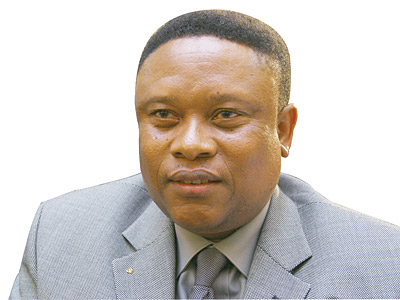
Rough & Polished caught up with the current KP chairperson who is also the Namibian deputy Mines and Energy minister, Bernhard Esau on the sidelines of the meeting to find out what were the objectives of this gathering, as well as tackle some of the ‘burning” issues that have been raised against KP and this is what we gathered:
Namibia recently played host to the 6th Intersessional meeting of the Kimberley Process Certification Scheme, what was the objective of this gathering?
As Namibia, we took over the chairmanship of the Kimberley Process from India and they were challenges that we inherited. The challenges included the need to have compliance by members to the rules and regulations of the KP, in terms of seeing that there are no inflows of conflict diamonds, and no illicit trading.
So, the objective of this session was therefore to take stock of the first six months in the year (2009), looking at what we have done in terms of the decisions taken at the plenary as well as developments during this period.
You know, that they were a number of review visits, whereby countries where visited to check if their systems were in place.
We have the work group on the Participation Committee, which is following up on countries that had been invited to join the Kimberley Process and those specific counties, some of them have responded, and some have not. What we want to see is that all diamond producing countries and those who are monitoring diamonds are members of the KP family, so those issues would be looked.
Also high on the agenda was the issue of the Marange diamonds in Zimbabwe, as you have heard there had been complaints from the civil society regarding the violations of human rights, which took place. We know that the Marange operations are facing a lot of challenges especially within the context of their location as it is located in rural areas, where you have lots of people making a living out of agriculture and the question of security is coming to play, because whenever you start the process of recovering diamonds you need to put in place security measures, internal controls to meet KP regulations, and for us as KP we really want to see this Marange project meet our regulations so as to fight illicit trading, as well as comply to internal controls to see to it that the diamonds are not conflict related.
Rough&Polished recently published an analysis of the Kimberley Process developments as Ian Smillie, one of the architects of the Kimberley Process, announced that he left the management of Partnership Africa-Canada due to what he called an “utterly low level of efficiency” of the KP in some of the diamond-mining countries. What is your comment on that?
Maybe, it was his personal views but the views of the KP is not what Ian Smille’s views are , you know we have this KP as an initiative of governments, industry and the civil society. He (Ian) comes from the civil society and am not saying we do not appreciate what he has contributed to KP but the views of the other social partners in this family does not match with his as well. What we are saying is that as KP, any initiative stands to be reviewed at some point to check if we are following the goals and objectives of KP. So, such exercises are taking place, and if you feel maybe you are frustrated, you cannot bounce off your frustration in the air, while you are moving, you have to wait for the appropriate forum and discuss such issues.
Your other critics have pointed out that KP was failing to control illegal diamond traffic in the Middle East, namely Lebanon. What is your take on that?
We know they are problematic countries, am not saying Lebanon is problematic, we have highlighted some of the issues which we are faced with, regarding fake certificates, people being caught at airports with diamonds, so those leakages draws our attention, and if Lebanon is one of them we look at it but it will go through the appropriate meetings, working groups who will report to the plenary of the intersession meetings.
Talking of fake certificate, what is KP doing to stem out the use of fake certificates?
We are trying to look at the authenticity of the certificates, and these fake ones were detected because they lacked specific security features. So it means that those consignments or shipments cannot be classified as compliant to the KP rules once they are accompanied with fake certificates.
You were recently in Sierra Leone on a review mission of that country’s diamond mining, are you at liberty to review the findings you made?
Well, I cannot talk about it now because we are still reporting to specific work groups. So our report is still in progress, because we need to do broad consultations, we need to verify out findings with the participants. We expect to have the verification within the first three months after the review missions, so we hope to do so when we go for our plenary sessions soon, but we are currently sharing those reports with the (member) countries and the civil society.
We cannot end this interview without asking what Namibia has contributed or intends to contribute to the KP as the current chair?
We have addressed the issue of Zimbabwe, we visited the country, with a delegation that was led by me, and a report came out, and in that report we highlighted the fact that we have secured a review mission, which materialise after this session. Secondly we are looking at building the capacity of the KP in terms of membership and that is why we have requested one of the participation committees to write letters to various member sates that have not joined the KP to do so and we are waiting for responses, they is quite a lot, you see like the issue of fake certificates which we also share and we have notified everybody to be alert, we are trying to promote regional cooperation, we have countries that are lacking internal controls whereby they can not link up with countries like Namibia and others to put a proper system in place, to draw lessons from our experiences.
Mathew Nyaungwa, Rough&Polished, Windhoek
