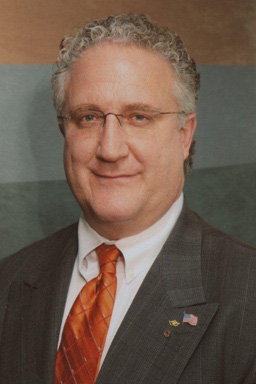
 Ronnie VanderLinden, Secretary General of the International Diamond Manufacturers Association (IDMA), devoted 33 years of his life to the diamond business starting as a diamond sawyer and gradually working his way up to become a senior executive in one of the most authoritative global bodies of the diamond industry. Our correspondent in Brussels Alex Shishlo asked him to highlight some of the problems currently facing the diamond world.
In your view, what are the prospects for developing the global market of rough diamonds?
I am not quite sure if I understand the question. At the moment, demand for rough and demand for polished [diamonds] are out of sync. We do not need to further the lopsided demand. We need to increase the demand for polished.
Are you satisfied with the supply level of rough diamonds? What kind of threat may face diamond manufacturers due to rough scarcity?
Rough is available depending on the price one is willing to pay. Granted, the future steady supply of rough is dependent on the discovery of new mines. Two future threats come to mind. Keeping our factories and their employees working. Second, supplying our customers with polished [diamonds] to fulfill their requirements.
Is there any growth in demand for polished diamonds on the part of jewelry retailers?
Please refer to this link, this is good news: http://www.cnn.com/2010/LIVING/11/26/jewelry.trends.holiday/.
Do you think any increase in the market share of synthetic diamonds may result in lower prices for diamond jewelry?
Absolutely not. In fact I believe it will have the opposite effect and increase demand for diamond jewellery. The lab grown diamond and jewellery adds another level of fashion. Look what Louis Vitton did for vinyl, without hurting the demand for leather.
Are you content with the existing framework for crediting the diamond industry?
No, the IDMA executives and members are actively looking at credit in the diamond world. We believe the banks and anyone issuing a credit facility need to act responsibly, not irresponsibly when issuing or increasing credit lines, throughout the entire diamond pipeline.
Recently, Avi Paz, Israel Diamond Exchange President, proposed to recognize rough import as collateral for getting credited. Do you think it may push rough prices further up due to higher demand for credits under such collaterals?
I would need to speak with our close friend Avi to understand his proposition. This is the first I have heard of it.
It is said that 69 per cent of rough diamond supplies are controlled by large mining groups like ALROSA and De Beers, while Surat Rough Diamond Sourcing India Limited (SRDSIL) is seeking to source the remaining 31% of rough from the run-of-mines in African nations and other diamond producing countries. In case it will succeed to arrange a powerful supply channel in this way, do you think it will bring rough prices down?
Only the future will tell. I believe with future limited supply of rough and the rough diamonds in strong hands, [there is] no need for concern. Our only real concern is the economy and consumer demand. That will be the only real effect on all future prices.
The world diamond community appears divided on the Zimbabwe diamond issue with some calling to ban rough coming from this country while its government appears to be dead set on selling it. What is your view of this situation?
IDMA wishes to emphasize its unequivocal support for the WDC and KP and know that a resolution to the impasse is around the corner.
What are the current problems facing IDMA and what is your association doing to solve them?
The IDMA is constantly addressing the "problems," we prefer the term ‘challenges’ facing our wonderful industry. Your questions have touched on a few of these challenges. The solutions are usually not easy. Moti Ganz, President of the IDMA makes sure his executive board and the membership are always apprised of all challenges facing our industry and works to find the solutions among his constituents.
Alex Shishlo, Editor of the Rough&Polished European Bureau in Brussels
