 Namibia’s diamond manufacturing sector is yet to fully mature although there is an increase in the number of factories licensed to buy rough diamonds from Namibia Diamond Trading Company (NDTC).
The southern African country now has 13 sightholders.
The challenges that the diamond manufactures in Namibia were facing included limited levels of rough supply and higher prices.
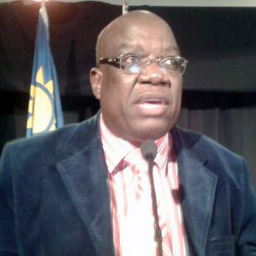
Kombadayedu Kampwanga, Secretary of the Diamond Manufacturers Association of Namibia, told Rough&Polished in an exclusive interview that the sector had also fully recovered from the global economic crisis of 2008/2009.
He said most factories were now operating at almost full capacity.
Below are the excerpts.
What is the state of diamond manufacturing in Namibia?
I think it’s still in its infancy (but) maturing. You know the direct supply started four years ago and four years is not a time for an industry to have [fully] matured but I can see that our polishers are now well trained.
What has been the level of rough supply from the Namibia Diamond Trading Company (NDTC) on an annual basis?
I cannot really tell the exact figures for they constantly fluctuated and we do not know what other manufactures are getting. At one point we were hit by the global economic crisis and we stopped buying diamonds from NDTC, but what I can say is that we can accommodate more production if we get more than what we are currently getting. NDTC has a limit; its shareholders limit the amount of rough diamonds it supplies to our industry. So, it’s not in the hands of the industry to produce more.
What is this limit?
It’s 10 percent by value of Namdeb’s cuttables per annum and the rest is sold to DTC London. Cuttables are diamonds from 1.25 carats to 14 carats. So they distribute this to different factories in the country.
Have you fully recovered from the global economic crisis of 2008/2009?
Yes, yes, the industry has fully recovered from the global economic crisis of 2008/2009. We are now operating at almost full capacity.
Are there any factories that were closed down or put on care and maintenance during this period?
Yes we had some that were closed in 2009 and even our factory (LLD Diamonds Namibia) was put on care and maintenance for some few months.
What are the challenges that your sector is facing?
Our challenge is that of getting more rough diamond supply from NDTC and of course buys them at reasonable prices.
What are the current price levels?
The prices change all the time, you just go to NDTC and find the prices up or even down.
But what had been the trend of late?
Well, prices have been increasing of late.
Do you have an idea of how many rough diamonds that were polished last year by your members?
No, I don’t have an idea how much diamonds were cut and polished. We are not privy to the information of other factories. We are not like the mining industry, which always publish a combined figure of their output.
Are there any plans to consolidate your figures?
No, not yet.
What has been the level of appetite for diamonds cut and polished in Namibia?
Everybody is seeking Namibian diamonds as they are the best quality in the whole world by value.
Where do you sell your polished diamonds, is it here or abroad?
We do not sell our diamonds in Namibia; unfortunately our people do not have money to buy such luxuries. So we sell to our traditional markets. In case of LLD Diamonds Namibia, our diamonds are sold [mainly] to Russia through the Leviev group of companies and also in London, New York, the Middle East, Japan and China.
How has the euro-zone debt crisis affected your operations?
Europe had not been a big buyer of diamonds even before the debt crisis. The big buyers have always been the Americans. Europe has become more of dealers than consumers, so we are that affected by this debt crisis in Europe.
Do you have any other suppliers of rough diamonds apart from NDTC?
No, we only buy from NDTC.
But are there any plans to consider other rough suppliers?
There is only one diamond miner [Namdeb] at the moment so there are no such plans.
Is there any jewellery sector to talk about in Namibia?
It had been there before the current group of manufactures came along. Their presence brought a few jewellery activities with some manufactures selling stones to local jewellery shops. However, we have not yet seen a jewellery brand that is unique for Namibia. Someone should do that.
How many sightholders do you have in Namibia?
We now have 13 sightholders from the previous 11.
Mathew Nyaungwa, Editor in Chief of the African Bureau, Rough&Polished
