 The World Federation of Diamond Bourses (WFDB) was established by the representatives of the diamond business at the Congress held in 1947 in Antwerp.
A key task of this organization, in addition to providing a reliable trading platform and promoting international trade, is the implementation of arbitration functions. A diamond bourse member, who violates the rules and regulations, will not be able to trade on any other exchange in the world. This set of measures grants protection for bidders.
Every diamond exchange retains autonomy in its internal affairs, but its decisions must comply with the basic rules approved by the General Assembly of the Federation. The General Assembly meets every two years during the World Diamond Congress for major decisions concerning the functioning of the Federation.At present, the World Federation of Diamond Bourses has 28 members from 22 countries.
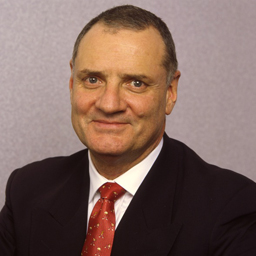
WFDB President Ernest Blom talked to Rough&Polished in connection with the WFDB Charter adopted to counteract mixing of synthetic diamonds with natural stones.
What caused the need for adopting this Charter?
The mixing, in small quantities, of natural and synthetic diamonds. It is not a problem as yet but we are being pro-active, wanting to ensure that we protect the rights of the consumer when they purchase diamonds. It is our policy that synthetic diamonds must be declared and not passed off as natural diamonds.
What categories of diamonds are embraced by it?
Fairly small – 0.07 cts and smaller. Larger stones are automatically checked and the possibility of a synthetic slipping through is minimal.
Does the industry have uniform rules for disclosing synthetic diamonds and treated natural diamonds?
Yes, refer to the Declarations and Charter and further more every bourse member states on invoices and other documentation that they take full responsibility that the diamonds they sell are natural.
In what way does the WFDB investigate cases of non-disclosed synthetic and treated natural diamonds?
The Bourses in each country are tasked with this duty and as members of the WFDB they would enforce the WFDB standards.
What is your attitude towards synthetic diamonds?
No problem as long as they are disclosed, they have a niche in the market.
What kind of threat do they present for the diamond industry?
At present, this mainly applies to stones smaller than 0.07 cts and as such does not represent a threat to the natural diamond market. I also need to add that we do not see synthetic stones as a threat, but rather as “another type of stone with its own niche market”.
In different countries, there may be conflicting local legislations on selling/buying diamonds. Does this Charter take this in consideration and in what way?
Currently yes and we will adapt our procedures as and when needed to meet all legislation needs.
Do you view this Charter as a sufficient measure to curb the infiltration of synthetic diamonds into the natural diamonds market?
Yes, I believe it addresses the issues of non-disclosure of synthetic diamonds entering the market. Should circumstances change, we will adapt but currently we believe we have done what is needed.
Alex Shishlo, Editor in Chief of the European Bureau, Rough&Polished
