Image credit: Wikipedia
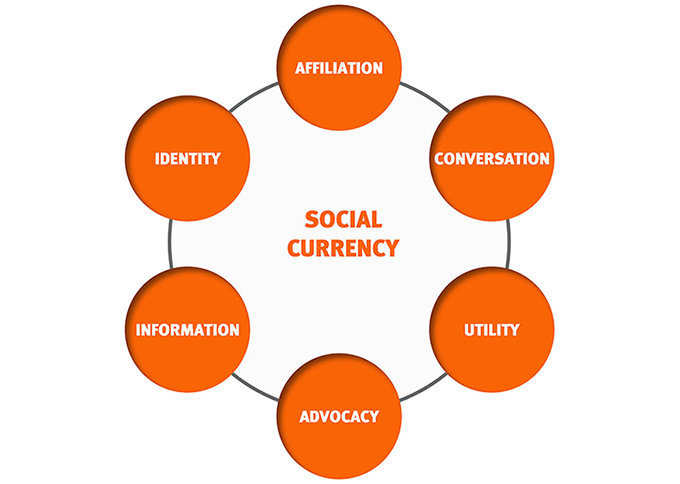
(jingdaily.com) - Gen-Z consumers and the brands that are highly relevant to them are of utmost importance for two reasons. First, to be relevant to young millennials, companies have to target even younger consumers (age 16-20 years old) since they act as key influencers to consumers that are between the ages of 25-30 years old. Second, most established luxury brand CEOs all have the same problem in that they only appeal to customers over 40 while struggling to connect with young millennial or Gen-Z consumers. And since brand preferences are built when customers are quite young, these brands are risking their futures by not appealing to these younger generations. The hardest thing for most brands to acquire today is “social currency” — in other words, recognition as a relevant, hip, or compatible brand by young customers. To hit this zeitgeist, brands must go much further than just creating young-looking products. The entire brand must be seen as hot to thrive. Even being “somewhat” authentic isn’t enough. In regards to social currency, brands either have it or don’t.
News
Botswana, De Beers suitor near deal on ownership stakes – report
Botswana and a consortium leading the race to acquire De Beers are close to agreeing on their future ownership stakes, potentially clearing the way for Anglo American to exit the diamond miner, according to Bloomberg.
Yesterday
Petra Diamonds subsidiary ordered to wind up over unpaid tax
Petra Diamonds has confirmed that a winding-up order has been made against its wholly owned indirect subsidiary, Petra Diamonds UK Treasury Limited (PDUK Treasury), following a petition by HM Revenue & Customs.
Yesterday
LVMH’s watches & jewellery division revenue rose 8% in the first nine months of 2026
The Watches & Jewellery division of the French conglomerate LVMH, home to over 75 world-renowned luxury brands, recorded an 8% organic revenue growth during the first nine months of 2026 thanks to strong jewellery demand, despite a challenging economic...
Yesterday
Russian companies to increase investment in PGM exploration by 17% in 2026
In 2026, Russian companies will increase their investment in the exploration of platinum group metals (PGM) by 17%, with the total reaching nearly 2 billion rubles ($23 million), the Russian Ministry of Natural Resources and Environment...
Yesterday
Diamond jewellery sales in India set to increase 15% - 20% on sharp rise in gold prices
Indian diamond jewellery retailers anticipate a 15% - 20% increase in sales during the 2026 festive season, driven primarily by the sharp rise in gold prices which prompts consumers to consider diamond jewellery in more affordable price range...
14 october 2026
